By Lauren Holland
Updated November 2026
A matt for standing desk gives your feet and legs a softer, more supportive surface when you spend long stretches on your feet. This guide shows you how to pick the right type, size and thickness for your setup, and how to place it so it actually reduces fatigue rather than becoming a tripping hazard. The whole process takes about 15 minutes.
Step 1: Decide What You Need the Matt to Do
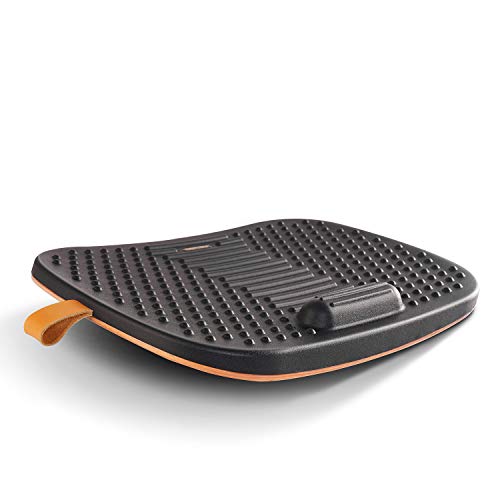
Most standing desk mats fall into two broad groups. Anti-fatigue mats are firm, dense foam designed to keep you moving slightly while you stand, which encourages small muscle activity in the legs. Cushioned or memory foam mats are softer and better suited to people who stand in one spot for long periods and want pressure relief. If you shift your weight often, choose anti-fatigue. If you mostly stand still, a softer option may feel better.
Shopping for one? See our guide: 6 Best Standing Desk for Home Office (2026): Expert Picks.
Step 2: Measure Your Space and Choose a Size
Measure the floor area directly in front of your desk where you will stand. Allow room for your feet to move, usually a footprint of about 20 by 30 inches for one person. Make sure the mat does not extend under the desk base or block your chair when you sit down. A mat that is too small forces you to step off it, and one that is too large can bunch up against the chair.
Step 3: Pick a Thickness and Edge Style
Thicker mats provide more cushioning but can raise your standing height. Check how much the mat adds and adjust your desk height to compensate. Beveled or tapered edges reduce the chance of tripping, especially if you roll a chair or wheel a cart across the mat. Manufacturers often specify thickness in millimeters or inches on the product page, so compare those numbers directly.
Step 4: Set It Up Correctly
- Place the mat on a clean, level floor. Lay it flat and let it sit for a few minutes to reduce any curl.
- Stand on it in your normal working position and check that your monitor and keyboard are still at eye and elbow height.
- Adjust the desk height so your elbows stay near 90 degrees.
- Shift your weight from foot to foot to confirm the surface feels stable and does not slide.
- Use a non-slip backing or a rug pad underneath on hard floors if the mat moves.
Step 5: Build Movement Into Your Standing Time
A mat helps most when you use it. Shift your weight every few minutes, rock gently from heel to toe, and step off the mat to stretch when you need to. If you want structured movement, the routines in Standing Desk Exercise Basics and Standing Desk Leg Exercises: 7 Moves to Keep Legs Active at Work pair well with a mat, and Standing Legs for Desk: How to Stand Comfortably for Hours at Work covers posture details worth reviewing.
Step 6: Check Your Comfort After One Week
After a week, note how your feet, calves and lower back feel at the end of the day. If you notice persistent pain, numbness or swelling, reduce your standing time and speak with a doctor or physical therapist. A mat supports good habits but does not replace medical advice for ongoing symptoms.
Common Mistakes
- Choosing a mat so thick that your desk becomes too high to use comfortably.
- Leaving the mat unsecured on a hard floor, where it can slide under your feet.
- Standing on the mat all day without changing position or taking breaks.
- Ignoring the edges, which can curl and create a trip hazard over time.
- Skipping the height check after adding the mat, which can strain your shoulders and neck.
Recommended Gear
- Anti-fatigue standing mat: a firm, supportive option that encourages small leg movements while you work. View on Amazon
- Non-slip rug pad: placed under the mat on hard floors to keep it from sliding. View on Amazon
FAQ
Is a matt for standing desk worth using if I stand only part of the day?
Yes, especially on days when you stand for an hour or more at a stretch. The mat reduces pressure on your feet and makes it easier to stay on your feet without discomfort.
How thick should a standing desk mat be?
Many people find a mat in a moderate thickness range comfortable, but the right choice depends on your height and desk setup. Measure how much it raises your standing height and adjust your desk accordingly.
Can a mat cause problems with my desk or chair?
It can if it is too large or too thick. Make sure it does not block your chair or raise your desk beyond a comfortable working height.
Conclusion
A well-chosen matt for standing desk can make long workdays easier on your feet and legs when it fits your space and habits. Measure carefully, set your desk height after placing the mat, and move regularly. If discomfort persists, consult a healthcare professional.
Related reading
- Yoga at Desk Exercises: 10 Seated and Standing Moves for Work
- Using a Standing Desk: 7 Setup and Habit Steps for Your Workday
- U Shaped Standing Desk: How to Choose and Set One Up Right
Ready to choose one?
About Lauren Holland
Lauren Holland is part of our editorial team and reviews and edits our fitness at work guides, checking product details against manufacturer specifications and owner feedback.