 By Caleb Morgan
Updated November 2026
A letter of medical necessity for an ergonomic chair is a document from your healthcare provider explaining why a specific chair is needed to treat or manage a diagnosed condition. This guide walks you through what the letter should contain, how to organize the request, and what mistakes to avoid so your submission has the best chance of approval. The steps below apply mainly to office workers who want an employer, insurer, or flexible spending account to help cover specialized seating.
What a Letter of Medical Necessity Actually Does
A letter of medical necessity, often called an LMN, is a formal statement from a licensed provider connecting a patient’s diagnosis to a specific equipment need. Insurers, employers, and disability or accommodation offices use it to decide whether a requested item is a medical requirement rather than a personal preference. For a chair, the letter does not need to prove that a particular brand is superior. It needs to show that a certain type of seating support is required because of a documented condition.
Shopping for one? See our guide: Top 7 Ergonomic Chairs with Lumbar Support Picks for Every Need.
Keep expectations realistic. Many standard office chairs are not covered by insurance at all, and a letter does not guarantee reimbursement. Its job is to make your request credible and specific, so the reviewer can say yes based on the medical facts rather than guesswork. Consult your doctor, physical therapist, or occupational therapist before pursuing a formal claim, since they can tell you which diagnosis and wording will be most persuasive.
Step 1: Confirm Your Diagnosis and Functional Limits
Start with the clinical picture. Your letter is only as strong as the diagnosis it cites, so make sure the condition is documented in your chart. Common examples that relate to seating include lumbar disc disease, sciatica, cervical spondylosis, hip or pelvic conditions, and post-surgical spinal restrictions. Ask your provider to describe how the condition limits sitting, such as an inability to sit longer than a set number of minutes without pain, or a need for constant lumbar contact to avoid symptoms.
Functional limits matter more than a diagnosis code alone. A reviewer wants to know what you cannot do in an ordinary chair. Useful details include:
- Maximum tolerable sitting duration before symptoms appear
- Specific support needs, such as lumbar contour, seat depth adjustment, or armrest height
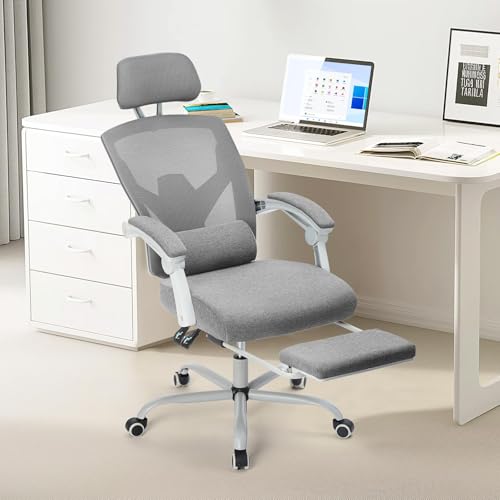
- Whether you need a recline, footrest, or sit-stand transition
- Expected duration of the need (temporary recovery or long-term)
Step 2: Identify the Chair Features Your Condition Requires
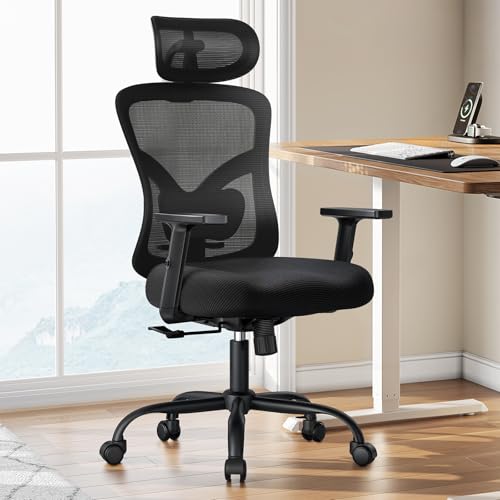
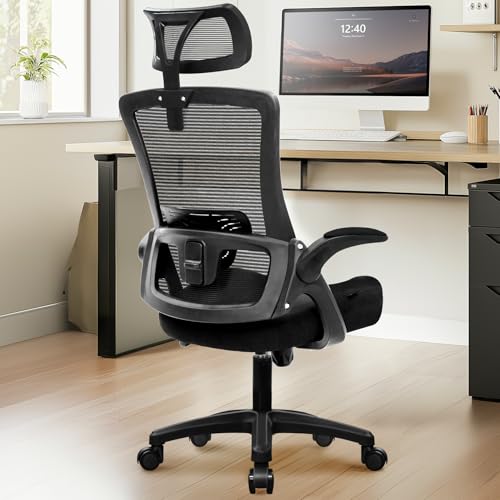
Describe the features in functional terms rather than naming a model. A letter that says “requires a chair with adjustable lumbar support, seat depth control, and a backrest that reclines to 110 degrees” is more useful than one that says “requires a specific brand.” This keeps the request flexible and lets the purchasing department or insurer shop among qualifying products. Your provider may also reference a therapist’s recommendation, which adds weight.
Refer to general ergonomic principles rather than unsupported claims. For example, a provider might state that the patient needs a seat that allows hips slightly below knee level and a backrest that supports the natural inward curve of the lower back. Avoid promising outcomes such as “will cure the condition,” because that weakens credibility.
Step 3: Gather the Information the Letter Should Contain
Before you or your provider writes anything, collect the details a reviewer will expect. Having them ready speeds up the process considerably.
- Patient full name, date of birth, and member or policy number
- Provider name, credentials, license number, contact information, and signature block
- Date of the most recent evaluation and the date of the letter
- Primary diagnosis, with ICD-10 code if your provider uses one
- Relevant history, including prior treatments and their outcomes
- A clear statement of the requested item and its required features
- A statement that the item is medically necessary and why alternatives are inadequate
- Estimated duration of need and any reevaluation date
Step 4: Write or Review the Letter Structure
A well-organized letter is easier to approve. Most providers follow a simple structure, which you can use as a checklist when reviewing a draft.
| Section | What It Should Say |
|---|---|
| Opening | Patient identity, provider credentials, and the purpose of the letter |
| Diagnosis | Condition name, code, and date diagnosed or last assessed |
| Functional impact | Specific sitting limitations and symptoms that interfere with work |
| Requested item | Chair type and required features, described functionally |
| Medical justification | Why the features are necessary and why standard seating is insufficient |
| Duration | Expected length of need and review timeline |
| Closing and signature | Provider contact details, signature, and date |
Step 5: Connect the Request to Your Work Setup
If the request is going to an employer or workplace accommodation office, the letter should also reflect your job duties. Describe how long you sit each day, what tasks require prolonged seated work, and what other ergonomic measures are already in place, such as a monitor at eye level or a keyboard tray. This shows the chair is part of a broader plan rather than an isolated demand.
Many people also find it helpful to pair the chair request with a simple daily routine. A short set of movement breaks, such as the ones described in our guide on desk stretches and posture resets, shows the reviewer that you are actively managing the condition. You can also explore related options on this site, such as Ergonomic Chair for Sciatica: 8 Best Picks for Desk Workers (2026) for seating aimed at lower-back pain, or Ergonomic Chair with Lumbar Support Picks for Every Need if lumbar contour is your main requirement. If your need involves sitting height, Ergonomic Chair for Short Person: 7 Best Picks for Petite Users (2026) covers fit considerations that a provider may want to reference.
Step 6: Submit, Follow Up, and Keep Records
Send the letter with any required claim forms, and keep a copy along with the date you submitted it. If you do not hear back within the timeframe your insurer or employer states, follow up in writing. If the request is denied, ask for the specific reason in writing. Denials often cite missing functional detail, insufficient justification for a specific feature, or a request for a non-covered item. Your provider can usually submit a revised letter or an appeal with added clinical information.
Common Mistakes to Avoid
- Naming a brand instead of features. Reviewers often cannot approve a specific product, but they can approve a described set of functional requirements.
- Vague symptoms. “My back hurts” is weaker than “I cannot sit more than 20 minutes without radiating leg pain.”
- Missing dates. A letter without an evaluation date or duration can be returned for clarification.
- Overstating the case. Claims that a chair will cure a condition reduce trust in the rest of the letter.
- Skipping the signature block. An unsigned or unlicensed letter is often rejected on administrative grounds.
- Assuming approval means full coverage. Some organizations approve a letter but cover only part of the cost or only certain features.
Tips for a Stronger Submission
- Ask your provider for an occupational therapy or physical therapy assessment, since therapist notes can strengthen the justification.
- Request the letter on official clinic letterhead with a direct phone number.
- Keep the letter to one or two pages. Reviewers scan quickly, so a clear layout matters.
- Check your insurer’s or employer’s specific form requirements before drafting.
- If a temporary chair is approved first, ask for a reevaluation date so you can request a long-term option later.
Recommended gear
Some supporting items can help you document and carry out the plan described in your letter. A lumbar cushion is often used alongside a chair that lacks adjustable support, and a footrest can help when a provider specifies a particular thigh and hip angle.
- Adjustable lumbar support cushion helps maintain lower-back contact when a chair’s built-in support falls short. View on Amazon
- Adjustable under-desk footrest supports the hip and knee angle a provider may recommend for pressure relief. View on Amazon
- Laptop or monitor stand keeps the screen at eye level so the neck and shoulders stay aligned with the seating setup. View on Amazon
FAQ
Does insurance always cover an ergonomic chair with a letter of medical necessity?
No. Coverage depends on your plan, the diagnosis, and whether the item is considered durable medical equipment. A letter improves the chance of review but does not guarantee payment. Check your policy’s terms before purchasing.
Who can write the letter?
Typically a licensed physician, physical therapist, occupational therapist, or other provider authorized by your plan. Confirm which credentials your insurer or employer accepts.
How long should the letter be?
One to two pages is common. Longer letters are fine if they add relevant clinical detail, but clarity matters more than length.
Can an employer require a letter before providing a chair?
Employers may request documentation to support an accommodation, and the process often falls under workplace accommodation policies. Rules vary by location, so review company procedures and applicable employment guidance.
What if my request is denied?
Ask for the denial reason in writing, gather any missing clinical details, and ask your provider to submit a revised letter or formal appeal. Most organizations have a defined appeal process.
Is a chair with a footrest always required?
Not necessarily. The requirement depends on your condition and your provider’s recommendation. Your letter should state only the features that are medically necessary.
Should I get a letter for a temporary or permanent need?
Either can be requested. State the expected duration clearly so the reviewer knows whether the need is short-term recovery or ongoing. A reevaluation date is helpful for temporary needs.
Do I need a letter for an under-desk bike or standing desk?
The same general principles apply, but the equipment type and clinical justification differ. Work with your provider to describe the specific movement or positioning need.
Conclusion
A strong letter of medical necessity for an ergonomic chair ties a documented diagnosis to specific functional features, explains why standard seating falls short, and states how long the need will last. Gather your records, describe features rather than brands, and review the letter for clarity before submitting. Keep copies, follow up on time, and consult your provider or a qualified professional if a denial occurs.
Related reading
- White Desk Chair Ergonomic Picks: 6 Best for Every Home Office (2026)
- Top 8 Ergonomic Office Chairs for Short Person Picks Compared (2026)
- Top 6 Ergonomic Office Chair Tall Picks for Standing Desks in 2026
- Techni Mobili Essential Ergonomic Office Chair: 5 Best Picks for Long Workdays
Ready to choose one?
About Caleb Morgan
Caleb Morgan is part of our editorial team and reviews and edits our fitness at work guides, checking product details against manufacturer specifications and owner feedback.