 By Lauren Holland
Updated November 2026
Running equipment for office workers is less about racing and more about adding short bursts of movement to a workday that otherwise stays seated for hours. By the end of this guide, you will know which pieces of equipment genuinely support that goal, how to choose between them based on your space and schedule, and how to set up a simple routine you can repeat without much planning. The focus here is on practical options that work around a desk, not on marathon training.
What “Running Equipment” Means for a Desk Worker
For most people sitting at a desk, running equipment means tools that let you get your heart rate up, load your legs, and move in place or in short bursts. Full outdoor running is still the gold standard for cardiovascular fitness, but it takes time, weather cooperation and sometimes a shower afterward. Indoor equipment fills the gap during a lunch break, between meetings or first thing in the morning.
Shopping for one? See our guide: 7 Best Ergonomic Chairs for Tailbone Pain Cushions for Office Workers.
The useful categories are:
- Treadmills and walking pads that let you walk or jog at a steady pace.
- Compact cardio machines such as mini steppers and stationary bikes.
- Resistance and conditioning tools that build the leg and hip strength running depends on.
- Simple accessories like running shoes, timers and mats that make the routine easier to keep.
Keep your expectations realistic. A few five-minute sessions spread across the day will not replace a structured training plan. They are most valuable for breaking up long periods of sitting and building a habit.
Step 1: Measure Your Space and Noise Tolerance
Before you buy anything, measure the area where the equipment will live. Most people underestimate how much room a treadmill or stepper needs in use.
- Measure the footprint of the equipment you are considering, including handrails.
- Add at least 2 feet of clearance on each side and 3 to 4 feet behind for safe dismounting.
- Check the ceiling height if you plan to use anything with a raised handlebar.
- Consider noise. Your coworkers, neighbors or household may be affected by motors, impact or stomping.
If you work in a shared office, a quiet, low-impact option such as a walking pad or resistance band setup is usually more practical than a machine that vibrates the floor.
Step 2: Choose Equipment by Workout Goal
The right equipment depends on what you want the routine to do. Use this table as a starting point.
| Goal | Best equipment type | Typical session length | Impact level |
|---|---|---|---|
| Break up sitting | Walking pad or under-desk treadmill | 2 to 5 minutes, several times a day | Low |
| Raise heart rate quickly | Mini stepper or stationary bike | 5 to 10 minutes | Low to moderate |
| Build running-specific leg strength | Resistance bands and a step platform | 8 to 12 minutes | Low |
| Practice running form | Treadmill with a speed setting | 10 to 20 minutes | Moderate |
Most desk workers benefit from combining a walking or light cardio option with one strength tool. That pairing covers the two things running asks of your body: aerobic capacity and muscular support.
Walking Pads Versus Treadmills
Walking pads are thin, low-profile platforms that often run at slower speeds, usually suited to walking. They fit under a desk or in a corner and are easy to store. Full treadmills offer higher speeds and incline settings but take up more floor space and tend to be louder. If your goal is light movement during calls or reading, a walking pad is often enough. If you want to practice jogging, look for a machine with a motor rated for the speeds you intend to use.
Mini Steppers and Stationary Bikes
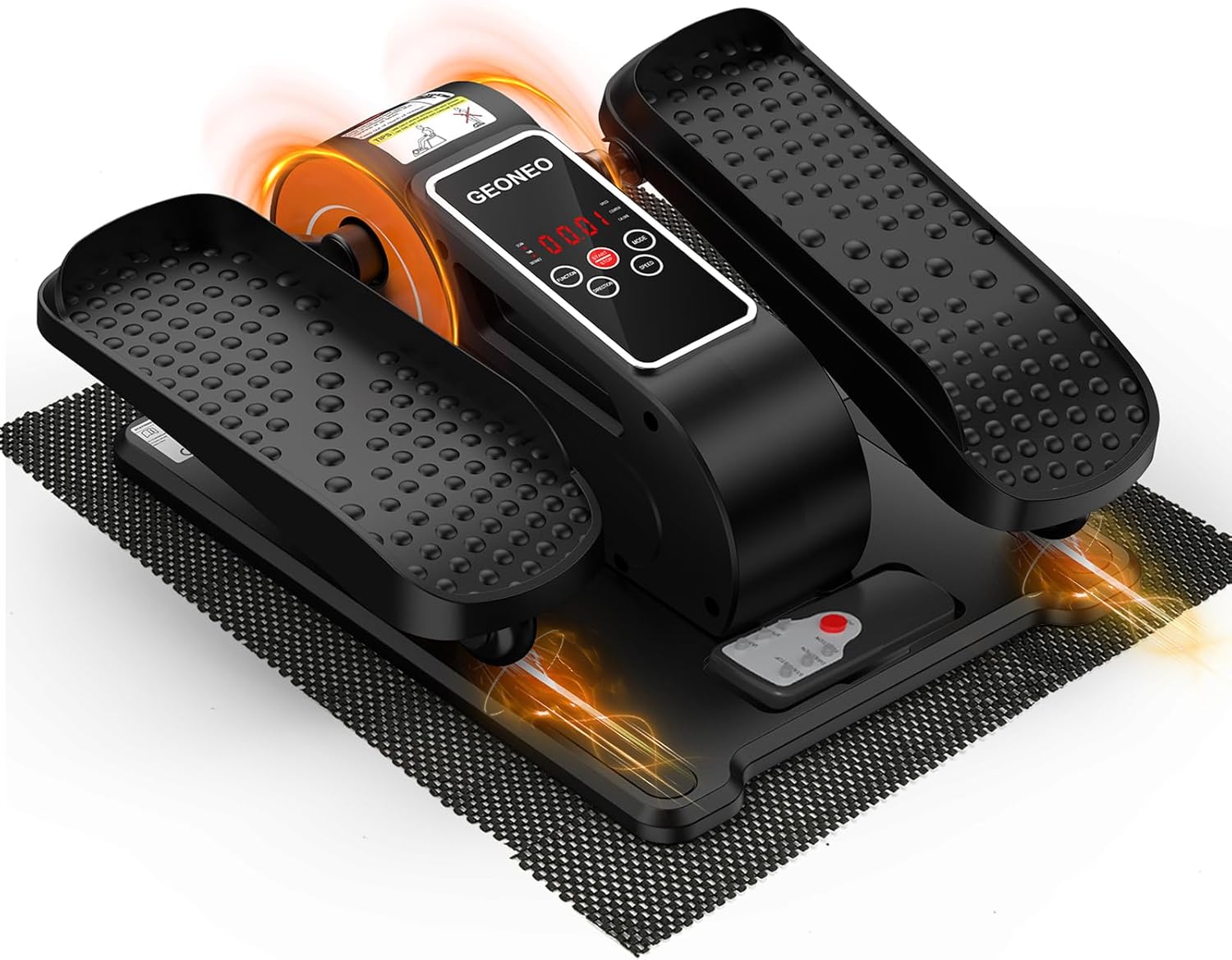
Mini steppers simulate stair climbing and can raise your heart rate quickly in a small footprint. Stationary bikes are lower impact and easier on the knees. Both can be used seated or standing, depending on the model. Check the manufacturer’s maximum user weight and recommended use before buying.
Strength Tools That Support Running
Running depends heavily on glutes, hamstrings, calves and hip stabilizers. Resistance bands, a sturdy step, and a light set of dumbbells let you train those muscles during the workday. A few minutes of glute bridges, calf raises and band walks done at your desk can noticeably support your running later.
Step 3: Build a Simple Five-Minute Routine
Once you have equipment, structure matters more than intensity. Here is a sample routine that uses a walking pad or open floor space:
- Warm up (1 minute): Walk at an easy pace, swinging your arms.
- Build tempo (1 minute): Increase speed until you are breathing harder but can still speak.
- Strength block (2 minutes): Alternate 10 bodyweight squats and 10 calf raises, repeating as time allows.
- Cool down (1 minute): Walk slowly and stretch your hip flexors and calves.
Repeat this two to four times across the day. Set a recurring reminder so the routine happens without a decision each time.
Checklist: What You Need Before Starting
- Running shoes with adequate cushioning and a stable heel
- A clear area at least 6 feet by 3 feet for movement
- A timer or phone reminder set to the session schedule
- A water bottle within reach
- Resistance bands or a step, if you plan to add strength work
Common Mistakes
- Going too hard too soon. Desk workers often start with enthusiasm and end up sore. Begin with short, easy sessions and add time gradually.
- Ignoring footwear. Running in office shoes or socks on a hard floor raises the risk of strain. Keep a pair of supportive shoes at your desk.
- Skipping strength work. Cardio alone leaves the hips and legs underprepared for running. Add a few minutes of strength exercise most days.
- Buying too much equipment. A single well-chosen tool used consistently beats a closet full of gear that sits unused.
- Working through pain. Sharp pain, joint pain or dizziness means stop and rest. Consult a healthcare professional before starting if you have heart, joint or balance concerns.
Tips for Keeping the Habit
- Attach a session to an existing habit, such as after your morning coffee or before lunch.
- Keep equipment visible and within a few steps so it is easy to use.
- Log your sessions on a calendar. A visible streak is a useful motivator.
- Plan shorter sessions on busy days rather than skipping entirely.
For more ideas on fitting movement around work, see Office Fitness for Beginners and Ten-Minute Office Workouts. If you want more structure, Office Activity Planning walks through how to schedule movement across a week.
Recommended gear
- Walking pad: A low-profile platform that lets you walk during calls or reading, with a footprint that fits most home offices. View on Amazon
- Mini stepper: A compact cardio tool that raises heart rate in a few minutes without much floor space. View on Amazon
- Resistance band set: Loop bands that train glutes and hips for running-specific strength during short breaks. View on Amazon
- Supportive running shoes: A cushioned, stable pair kept at your desk so you can start a session immediately. View on Amazon
For a broader look at options, see Best Office Fitness Equipment and Under-Desk Exercise Equipment Guide.
FAQ
Can I really run at a desk?
Not in the sense of covering distance. Under-desk and compact equipment works best for walking, light jogging on a motorized pad, or stepping movements. These still elevate heart rate and break up sitting.
How much space do I need for running equipment?
A walking pad typically needs a footprint of around 2 by 3 feet, plus clearance on each side. Full treadmills often need significantly more room, so measure before buying.
How often should I use running equipment during the workday?
Many people aim for two to four short sessions of 3 to 10 minutes. Start with fewer sessions and increase only if you feel recovered.
Is running equipment safe for people with joint problems?
Low-impact options such as walking pads, bikes and steppers are generally gentler than running on hard surfaces. However, consult a doctor or physical therapist before starting if you have joint, heart or balance concerns.
Do I need special shoes for indoor running?
Supportive, cushioned running shoes are recommended even for indoor use. Avoid running in thin-soled office shoes or socks.
Can running equipment replace outdoor running?
It can supplement your activity, but outdoor running offers different terrain and conditions. If you train for races, keep outdoor sessions in your plan.
What is the best first piece of equipment?
For most desk workers, a walking pad or a set of resistance bands is the simplest starting point because it requires little setup and can be used right away.
Conclusion
Running equipment for office workers works best as a set of short, repeatable movement breaks rather than a single intense workout. Measure your space, match equipment to your goal, and pair cardio with a little strength work. Start with a five-minute routine, keep shoes and tools within reach, and build up gradually. Consistency across the week will do far more for your fitness than any one hard session.
Ready to choose one?
About Lauren Holland
Lauren Holland is part of our editorial team and reviews and edits our fitness at work guides, checking product details against manufacturer specifications and owner feedback.